In this guide 7 sections
The fake charger problem is simple to describe and hard to avoid: a counterfeit looks identical in a photo and costs a fraction of the price, so it sells. The damage shows up later — a phone battery that swells, a cable that melts, a power bank that holds a third of what it claims. These checks take ten minutes and catch most counterfeits.
Before you buy: the listing
- Price far below the market for a known brand is the clearest sign. Genuine Anker, Baseus or Ugreen units cost what they cost everywhere.
- Specifications that beat physics. A "50,000mAh" bank the size of a phone, or a "100 W" charger lighter than an egg, is not real.
- No model number. Genuine products have one, and it matches the maker's website.
In hand: weight and finish
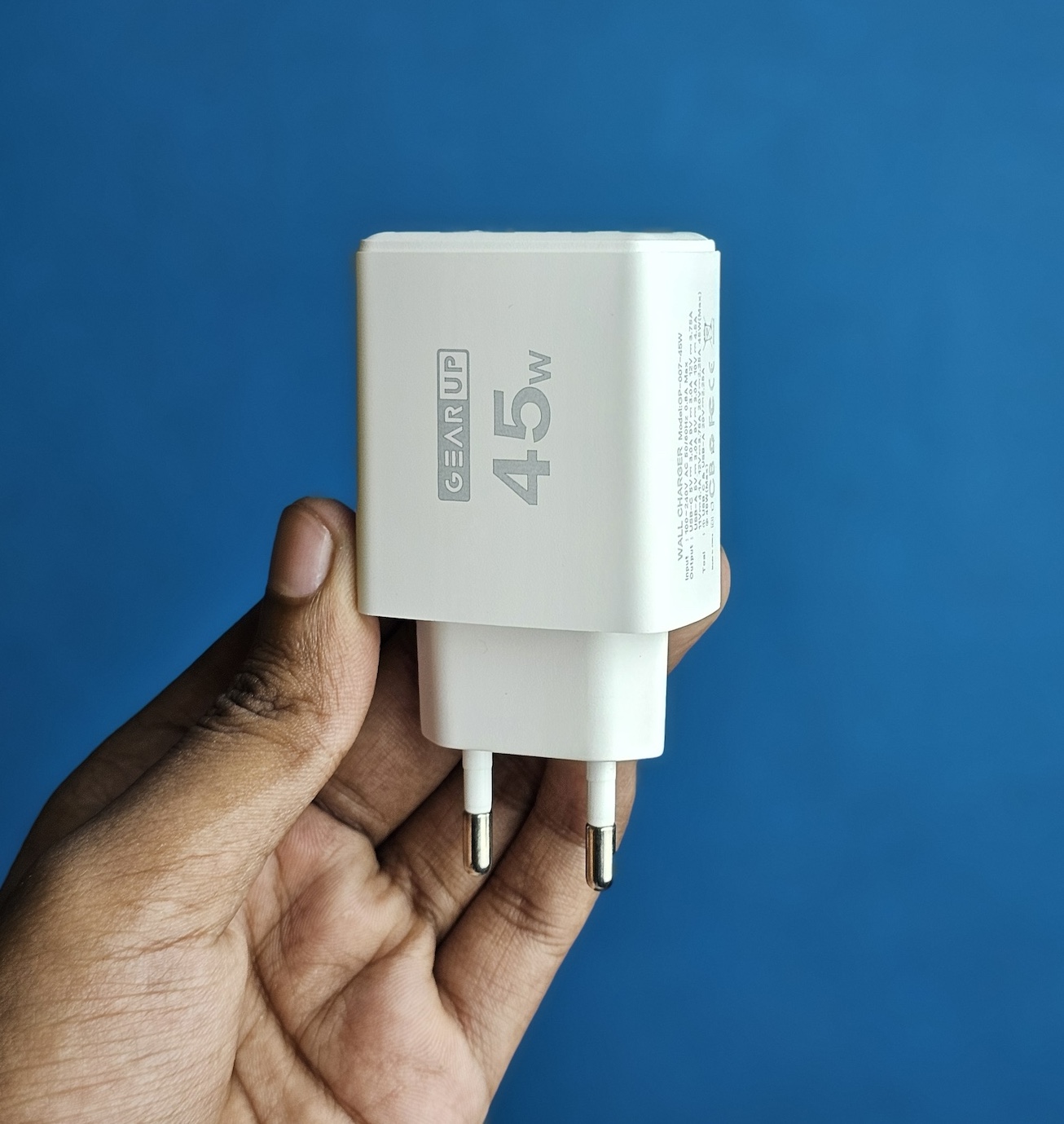
Capacity has mass. A real 20,000mAh bank weighs around 350–450 g; a fake with a 5,000mAh cell inside weighs half that. Chargers follow the same rule: a 45 W GaN unit has heft. Genuine products have clean mould lines, even printing, and a label with the model, input and output figures and certification marks (CE, UKCA, FCC, BIS). Blurry labels, misaligned logos and a rattling body are tells.
Plug it in: behaviour under load
- Charging speed. With a rated cable and a PD/QC phone, a genuine fast charger shows "fast charging" or the equivalent on the phone within seconds. A fake stays at normal speed.
- Heat. Warm is normal; too hot to hold for more than a few seconds is not.
- Noise. A faint whine from a counterfeit charger is a sign of poor components.
- Power bank capacity test. Fully charge the bank, then charge a flat phone and note how many times it manages. A 20,000mAh bank should refill a 5,000mAh phone about three times; a fake gives one.
Why fakes are dangerous, not just disappointing
Genuine chargers negotiate voltage with the phone and shut down on a fault. Counterfeits often lack the protection circuitry entirely; they can push the wrong voltage, overheat lithium cells and, in the worst cases, start fires. A charger is the one accessory where saving a few hundred taka is a bad bet.
If you already own a suspect one
Stop using it overnight and never leave it charging on a bed or sofa. Run the capacity test above; if it fails badly, or the body gets hot, retire it — a few hundred taka of charger is not worth a phone battery. Dispose of lithium cells at an electronics shop rather than in household rubbish.
What a genuine product does differently
- The model number on the body matches the box and the maker's site.
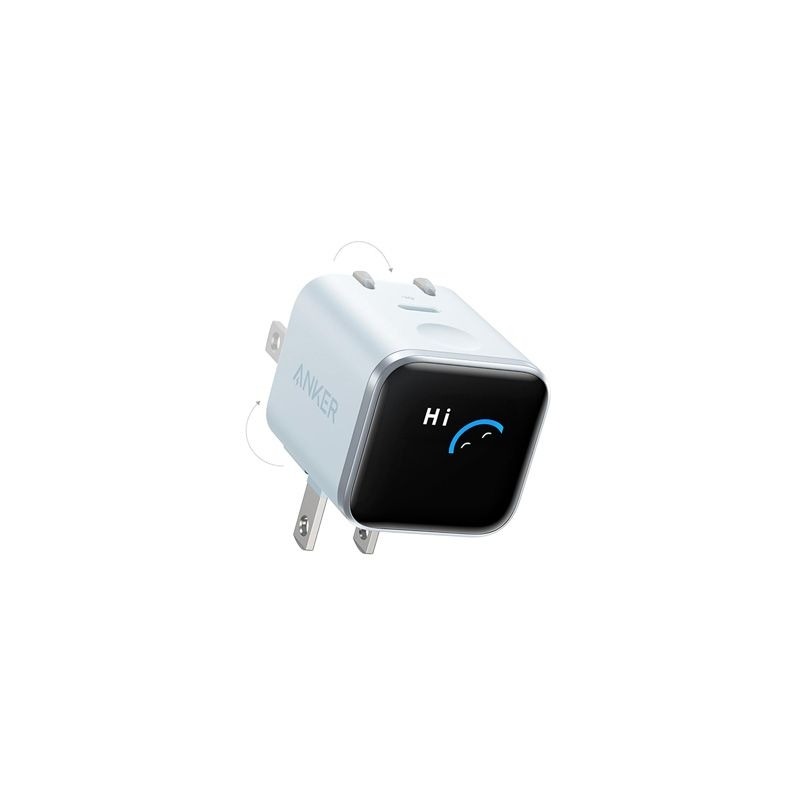
- A display, where fitted — like the Anker Nano 45W with smart display — shows live watts; fakes rarely bother.
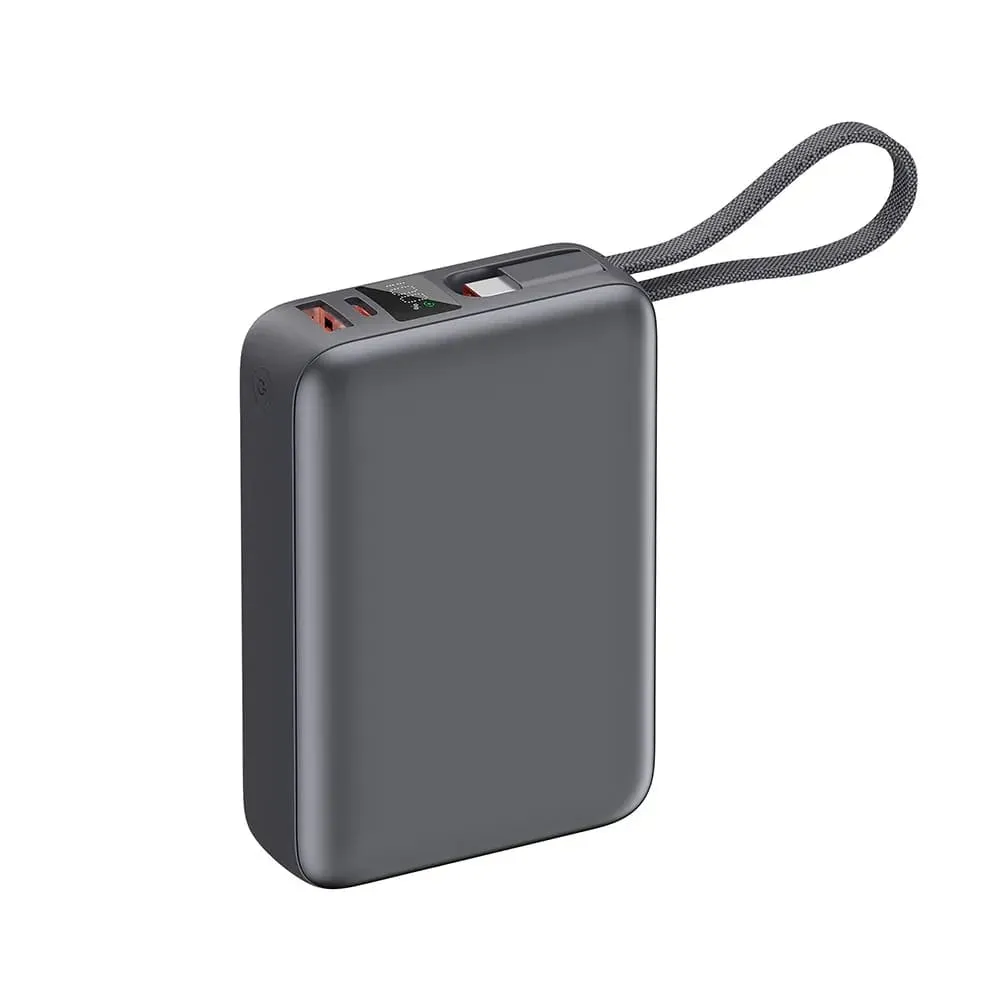
- Capacity is printed in both mAh and Wh, as on the QCY PB20A and Hoco DB81.
- The seller states the warranty and how to claim it.
Buying safely
Buy from a seller that confirms the order by phone, ships cash on delivery and accepts returns within a stated window — those three things make selling fakes unprofitable. Every charger and power bank on the chargers shelf is quality-checked before dispatch; if a unit arrives not as described, the 7-day easy return applies.
Frequently asked questions
How can I tell if a power bank's capacity is real?
Weigh it — a real 20,000mAh bank is 350–450 g — and count how many times it refills your phone. About three charges of a 5,000mAh phone is genuine; one is not.
Is a cheap charger really dangerous?
Counterfeits often lack the protection circuits that stop over-voltage and overheating, so yes — they can damage the phone battery and, rarely, cause fires.
What certification marks should a charger have?
CE and/or UKCA, FCC, and for Indian-market brands BIS. The label should also list the model number and input/output figures.
Does UP Store BD check products before shipping?
Yes — every item is inspected before dispatch, and anything that arrives faulty or not as described is covered by the 7-day easy return.