In this guide 7 sections
Walk into any mobile market in Dhaka and you will hear "fast charger" used for everything from a 10 W brick to a 65 W laptop adapter. The word means nothing on its own. Fast charging is a conversation between three parts, and if one of them does not speak the language, you get the slow default. Here is the vocabulary.
The standards
- USB Power Delivery (PD) — the universal standard over USB-C. iPhones, Samsung, Google, most laptops and tablets. If you buy one thing, buy PD.
- PPS — an addition to PD that lets the phone fine-tune voltage. Samsung "Super Fast Charging" at 25 W and 45 W needs PPS; a plain PD charger charges those phones at 15–18 W.
- Quick Charge (QC) — Qualcomm's older standard over USB-A. Many Android phones still accept it. Good chargers support both PD and QC.
- Proprietary — Oppo/Realme VOOC, OnePlus Warp, Xiaomi HyperCharge. Full speed only with the maker's own brick; a PD charger gives those phones a slower, still-safe charge.
GaN is about size, not speed
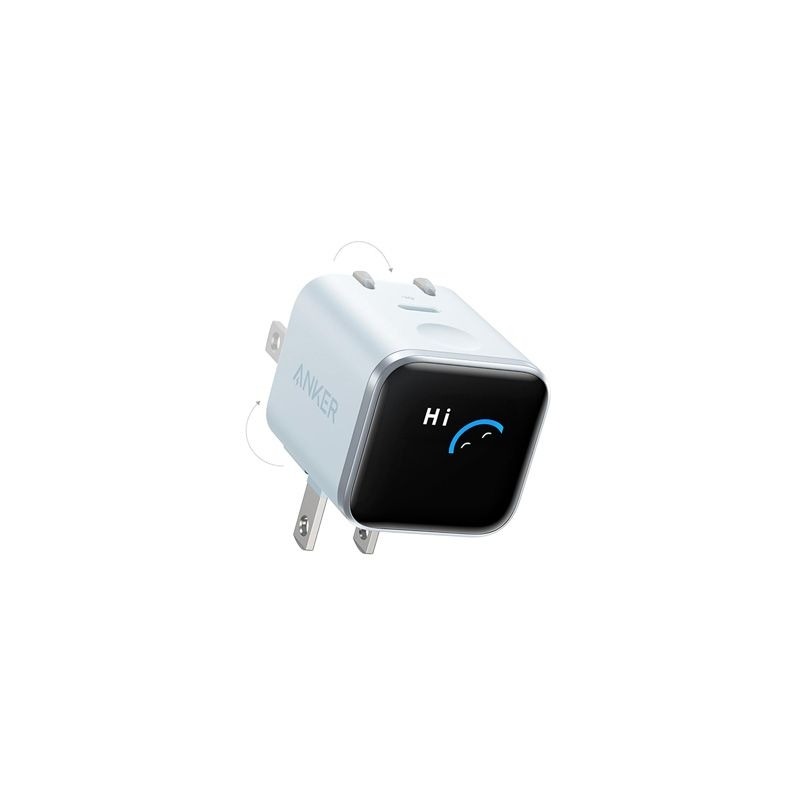
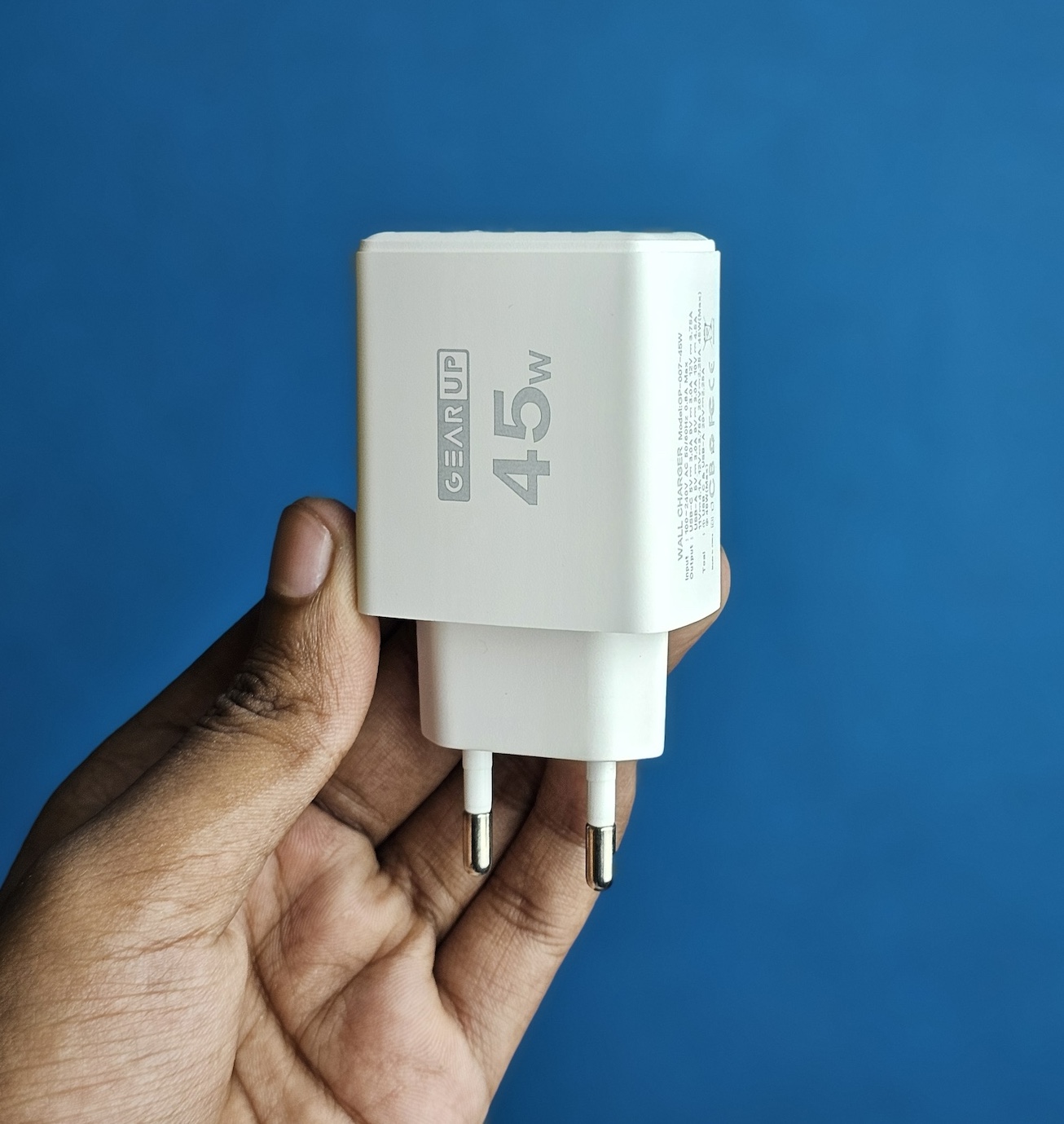
Gallium nitride chargers run cooler and pack more watts into a smaller body. A 45 W GaN unit such as the Anker Nano 45W or GearUP GP007 is barely bigger than an old 10 W brick. The speed comes from PD; GaN is why it fits in a pocket.
How many watts you need
| Device | Enough |
|---|---|
| iPhone | 20 W PD (anything more is wasted) |
| Most Android phones | 25–33 W PD/PPS |
| Tablet | 30–45 W PD |
| USB-C laptop | 45–65 W PD, with a 60 W+ cable |
| Phone + earbuds together | A dual-port charger; check the watts per port when both are used |
The cable is the usual bottleneck
Every USB-C cable carries 60 W unless marked otherwise; only cables with an e-marker chip carry 100 W or 240 W. More important in Bangladesh: cheap unbranded cables often lack the resistor that tells the charger to go fast at all. A rated cable like the GearUP CC6015 60 W — or the GP007 + 240 W cable combo — removes the guesswork.
Why your phone charges slowly: a checklist
- The charger supports QC but the phone wants PD (or the reverse).
- The cable is unrated or damaged — swap it first; it fixes half of all cases.
- The phone is hot. Phones throttle charging above about 40 °C; take the case off and keep it out of the sun.
- The battery is above 80%. Every phone slows down at the top to protect the cells — this is normal.
- A multi-port charger shares its watts when two devices are plugged in.
In the car and on the road
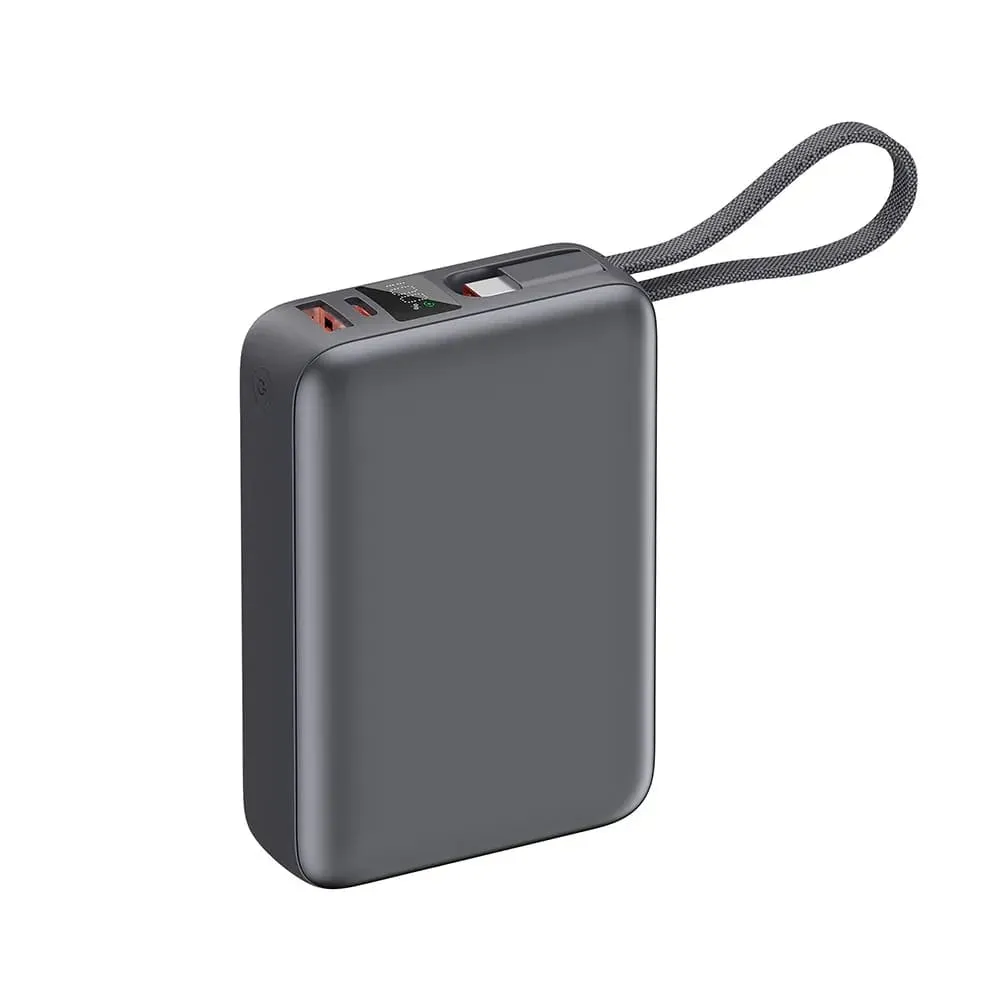
Car chargers follow the same rules: look for a PD port at 20 W or more, and remember that the cable decides whether the phone actually charges fast. On long bus journeys a power bank with PD is more reliable than the seat USB port, which is usually limited to 5 W. If you travel abroad, every charger here is 100–240 V, so only the plug shape changes; a small plug adapter is enough.
One socket, many devices
At a desk or bedside, a power strip with built-in USB ports such as the LDNIO SC4407 charges four devices without stealing wall sockets. Keep heaters and kettles off strips like this.
Find chargers, cables and strips on the power banks, chargers & cables shelf, cash on delivery nationwide with a 7-day easy return.
Frequently asked questions
Will a PD charger fast-charge a Samsung phone?
At up to 18 W with plain PD. For 25 W or 45 W Super Fast Charging the charger must also support PPS — many 45 W GaN chargers do.
Is a 45 W charger safe for an iPhone?
Yes. The phone draws only what it supports (about 20 W); a higher-rated charger does not push more.
Do I need a special cable for fast charging?
A USB-C cable rated for at least 60 W. Unrated cables often prevent fast charging entirely or cap it low.
What does GaN mean on a charger?
Gallium nitride — a component that runs cooler, so the charger can be much smaller for the same watts. It does not itself make charging faster.