In this guide 7 sections
Two devices have quietly replaced the cable box in many Bangladeshi homes. An Android TV box plugs into the HDMI port of any television and turns it into a smart TV; a projector throws the same picture onto a wall at a size no TV can match for the money. They solve different problems, and both have specifications that sellers gloss over. This guide covers what matters for each.
Android TV boxes: RAM is the number
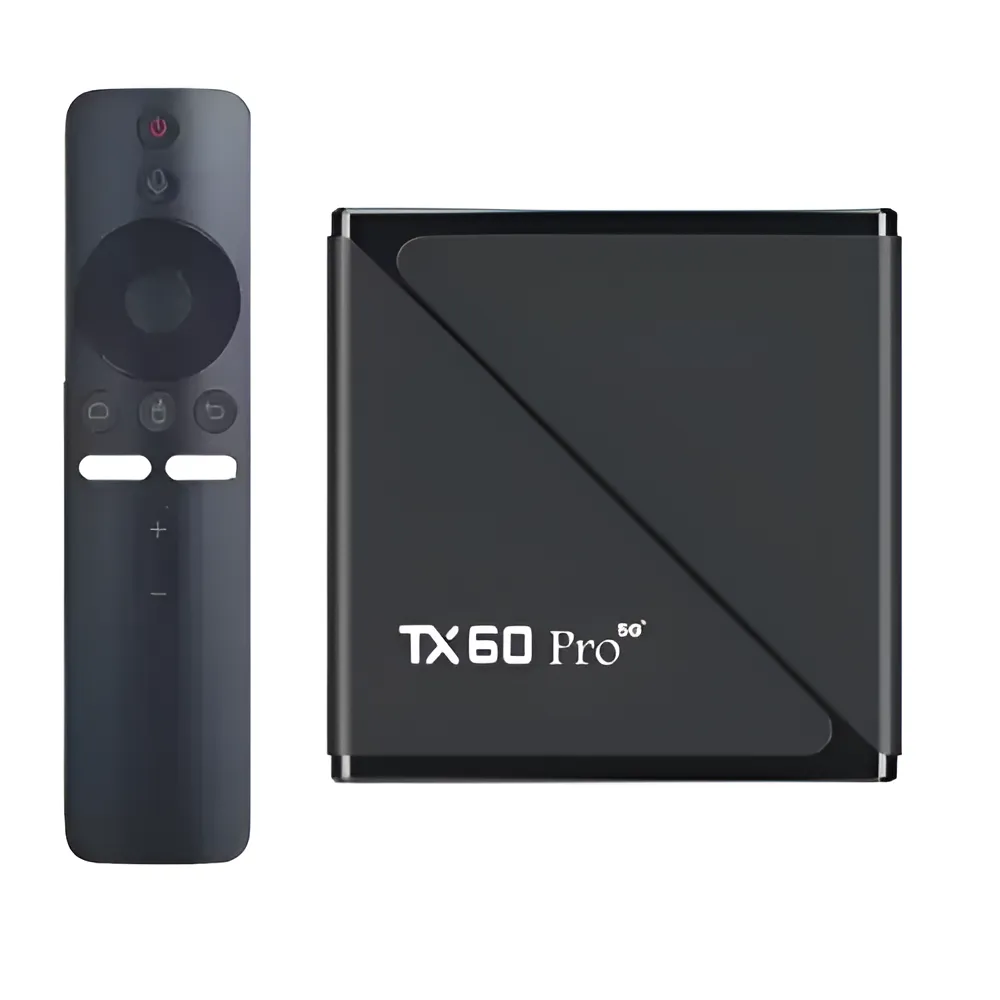
Every box lists a huge "8K" or "24K" figure. Ignore it; the picture is limited by your TV and your internet. What decides whether the box stutters is RAM: 2 GB is the minimum for YouTube, Netflix and an IPTV app without constant reloading. The Q5 4K box with 2 GB RAM is the sensible starting point; the TX60 Pro adds a voice remote, which matters more than it sounds once you have typed a film title with arrow keys. Storage of 8–16 GB is enough because apps are small; films stream.
What a box needs to work well
- A TV with HDMI. Old CRT sets need an AV converter, which halves the quality.
- Broadband of 10 Mbps or more for HD; 25 Mbps for 4K. Mobile hotspot works but burns data.
- Ethernet or 5 GHz WiFi if the router is in another room; 2.4 GHz through two walls buffers.
Projectors: lumens and darkness
A projector's brightness is given in ANSI lumens, and only ANSI counts — "9,000 lumens" without the word ANSI is a marketing figure. Roughly: 200–300 ANSI lumens gives a good picture in a dark room; 500 or more copes with a lamp on. The Havit PJ212 at 270 ANSI is honest about its figure and sharp at 1080p. Mini projectors such as the HY320 are for a bedroom with the curtains drawn, not a bright living room at noon.
Native resolution versus "supports 4K"
"Supports 4K" means it accepts a 4K signal, then shows it at its own panel resolution. Look for native 1080p for a picture that stays sharp at 100 inches. Autofocus and keystone correction, as on the Hoco DT4, mean you can put the projector on a side table at an angle and still get a square, sharp image — a real convenience in a small flat.
Throw distance and the wall
Most projectors need about 2.5–3 metres to fill a 100-inch wall; check the listing's throw ratio against your room. A plain white or light grey wall works; textured or cream walls soften the picture. Built-in speakers are small, so plan on a Bluetooth speaker from the audio shelf for anything beyond a bedroom.
Which one
| Situation | Buy |
|---|---|
| Good TV, no smart apps | Android TV box with 2 GB RAM |
| Small bedroom, films at night | Mini Android projector |
| Living room, family and cricket | 1080p projector with 250+ ANSI lumens, plus a speaker |
| Occasional outdoor screening | Portable 1080p projector with a battery or a power station |
Before you order
Measure the distance from where the projector will sit to the wall, and check your broadband speed at the TV's location with a phone. Everything on the home entertainment shelf ships cash on delivery nationwide; set a box or projector up the day it arrives so any fault is caught inside the 7-day window.
Frequently asked questions
Will an Android TV box work on my old TV?
If the TV has an HDMI port, yes. Older TVs with only AV inputs need an HDMI-to-AV converter and the picture will be standard definition.
How many ANSI lumens do I need for a bedroom?
Around 200–300 ANSI lumens in a dark room gives a bright 80–100 inch picture. Daylight viewing needs 500 or more and still looks washed out.
Can a projector replace a TV for daytime use?
Not comfortably. Projectors are for darkened rooms; a TV wins in a sunlit living room.
Does an Android box need a subscription?
No. YouTube is free; Netflix and local IPTV apps have their own plans. The box itself has no fee.