
In this guide 6 sections
Home haircuts went from emergency to habit in many Bangladeshi households, and the tools have caught up. A good trimmer now costs less than a month of salon visits. This guide explains the specifications that matter, which type suits beards versus full haircuts, and the two other grooming gadgets people are glad they bought.
Trimmer or clipper
- Clipper — wider, more powerful, for cutting a full head of hair with guards. The Kemei KM-6330 3-in-1 comes with a clipper head, a nose trimmer and a shaver head.
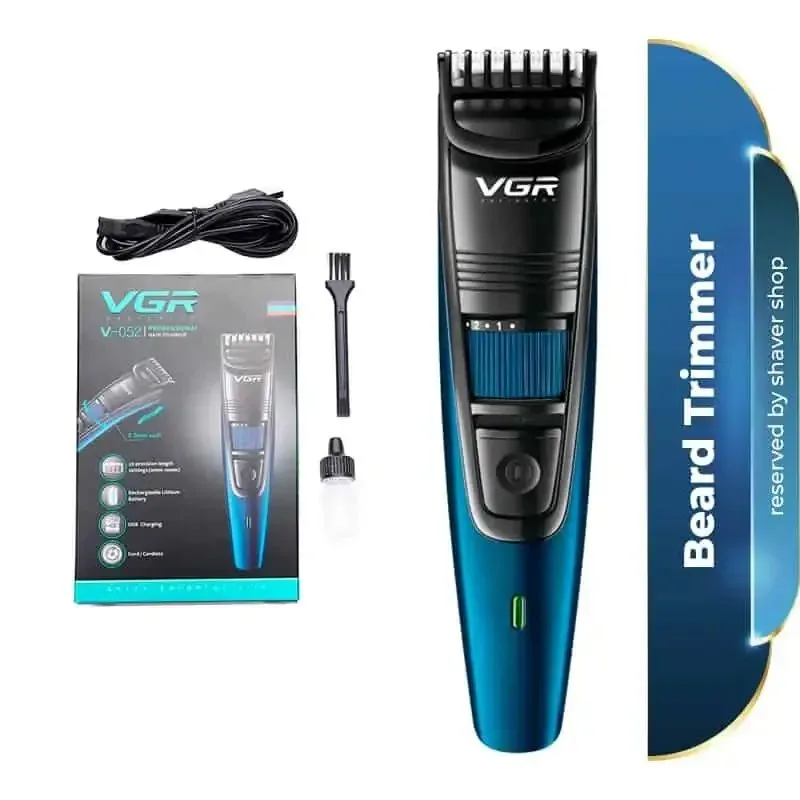
- Trimmer — narrower blade for beards, necklines and edging. A T-blade model such as the VGR V-052 gives the sharp lines barbers call a lineup.
- Pocket trimmer — small, for travel and quick touch-ups; the VGR V-932 fits a wash bag.
The four specifications that matter
- Blade material — stainless steel stays sharp; ceramic runs cooler on long sessions. Both are fine; avoid unspecified "alloy".
- Guards — a full head needs guards from 1.5 mm to at least 12 mm, in 1.5 or 3 mm steps. Count the guards in the box, not the "accessories" number.
- Runtime and charging — 90 minutes per charge is enough for a family; Type-C charging means one cable for everything. A trimmer that also works while plugged in never leaves you half-cut during load-shedding.
- Motor noise and vibration — rotary motors are quieter; cheap magnetic motors rattle and tug hair.
Cutting at home without regret
Start with a longer guard than you think, cut against the growth, and work in good light with a second mirror behind. Oil the blade before every use with the supplied oil and brush out hair afterwards; a dry blade pulls, and that is what most "bad trimmer" complaints really are. Rinse washable heads under a tap, never the body of a non-waterproof unit. If the trimmer starts to pull, stop and oil it rather than pressing harder.
Hair dryers
A basic dryer with a cool-shot button and a concentrator nozzle, like the Philips HP8108, is all most people need. Higher wattage dries faster but 1,000–1,200 W is plenty for shoulder-length hair and is kinder to the scalp. Do not run a dryer on a multi-plug with other heaters.
Camera ear cleaners
Cotton buds push wax deeper, which is why doctors advise against them. A camera ear cleaner such as the Bebird R1 or Hoco HP65 shows the ear canal on your phone so you remove only what you can see. Use the soft silicone tips, go slowly, and never use one on a child's ear or if there is pain or discharge — that needs a doctor.
Keeping tools hygienic
- Spray blades with isopropyl alcohol between family members.
- Replace trimmer blades yearly if used weekly; they are inexpensive.
- Store in a dry drawer; bathroom humidity rusts steel blades.
- Keep the charging cable in the box with the trimmer; losing a proprietary plug is the most common reason a working trimmer gets thrown away.
The personal care shelf ships cash on delivery nationwide with a 7-day easy return — test the trimmer on the day it arrives.
Frequently asked questions
Which trimmer is best for a beard?
A T-blade trimmer with fine guards (0.5–10 mm), such as the VGR V-052, gives sharp lines and even stubble. Clippers are too wide for beard edges.
Can I cut my own hair with a clipper?
Yes, with a guard set and a second mirror. Start long, cut against the growth, and keep the blade oiled.
Are camera ear cleaners safe?
For adults with normal ears, used gently with the soft tips, yes. Do not use one on children or if there is pain, discharge or a history of ear surgery.
How often should I oil a trimmer blade?
A drop before every use. Most pulling and overheating complaints are a dry blade, not a faulty trimmer.